
Choosing the Right Metal for Your Fabrication Project
Choosing the right metal is an important part of any fabrication project. The material affects a component’s strength, durability, weight, corrosion resistance, and overall cost. Understanding the differences between common metals helps you select the right material for your project’s requirements.
1. Stainless Steel
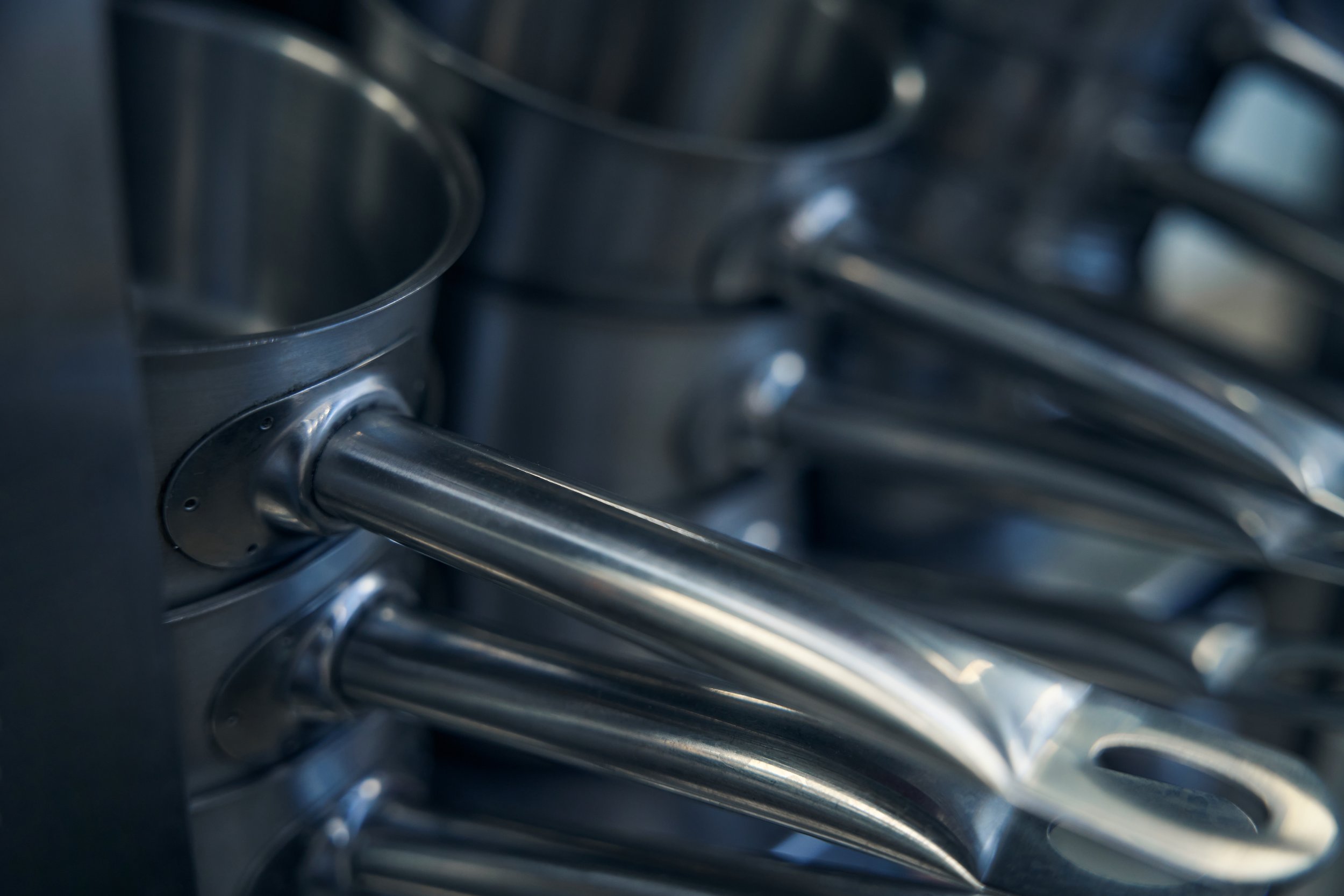
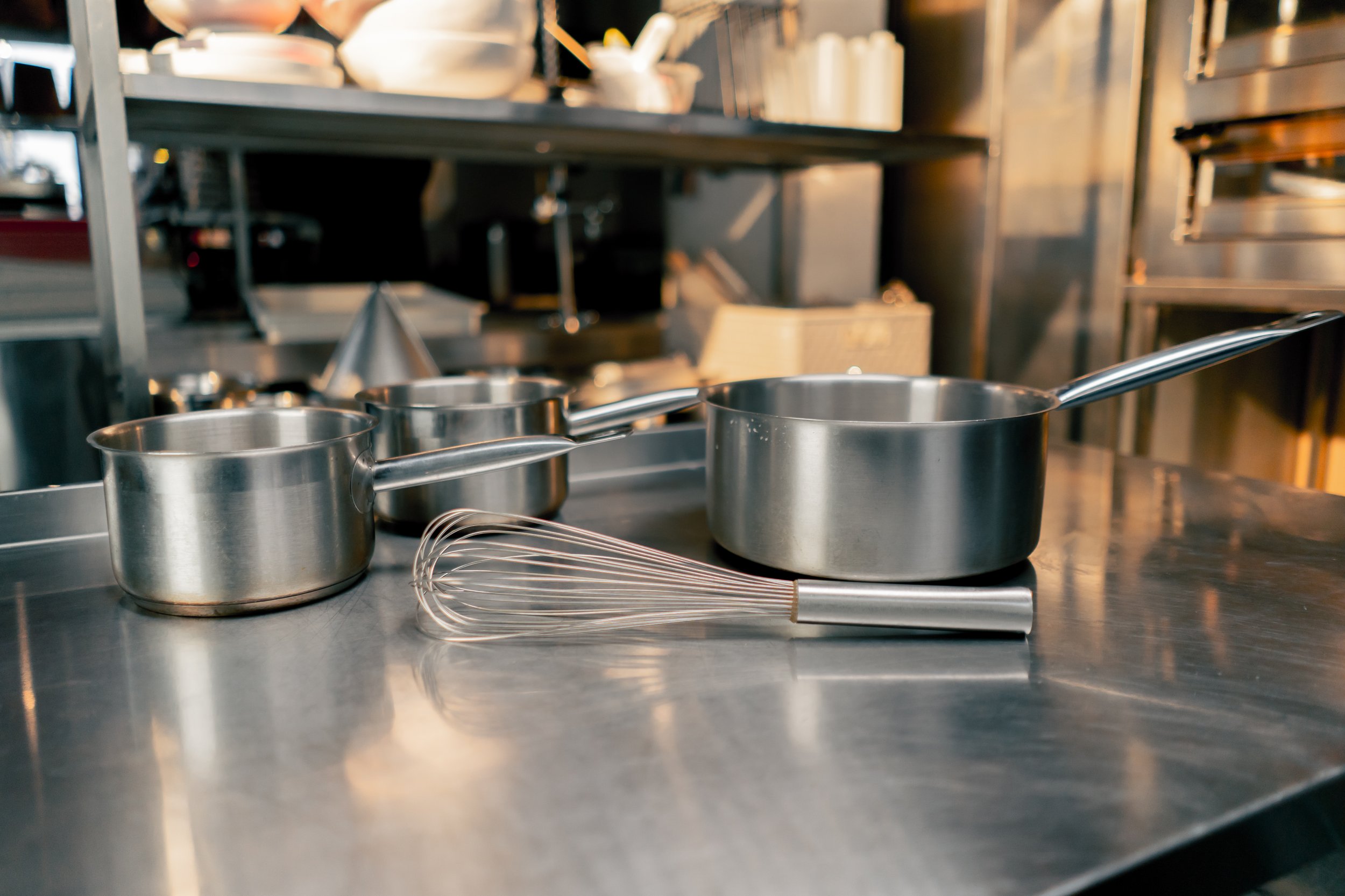
Stainless steel is widely used where corrosion resistance, durability, and cleanliness are important. It is particularly useful in food and beverage processing equipment, provided the selected grade suits the application and cleaning requirements.
Key characteristics
Corrosion-resistant, durable, and available in various grades.
Main advantage
Suitable for many applications requiring hygienic surfaces and resistance to corrosion.
Considerations
Cost and performance vary by grade and operating environment.
Common applications: Food processing equipment, sanitary conveyors, and processing components.
2. Aluminum
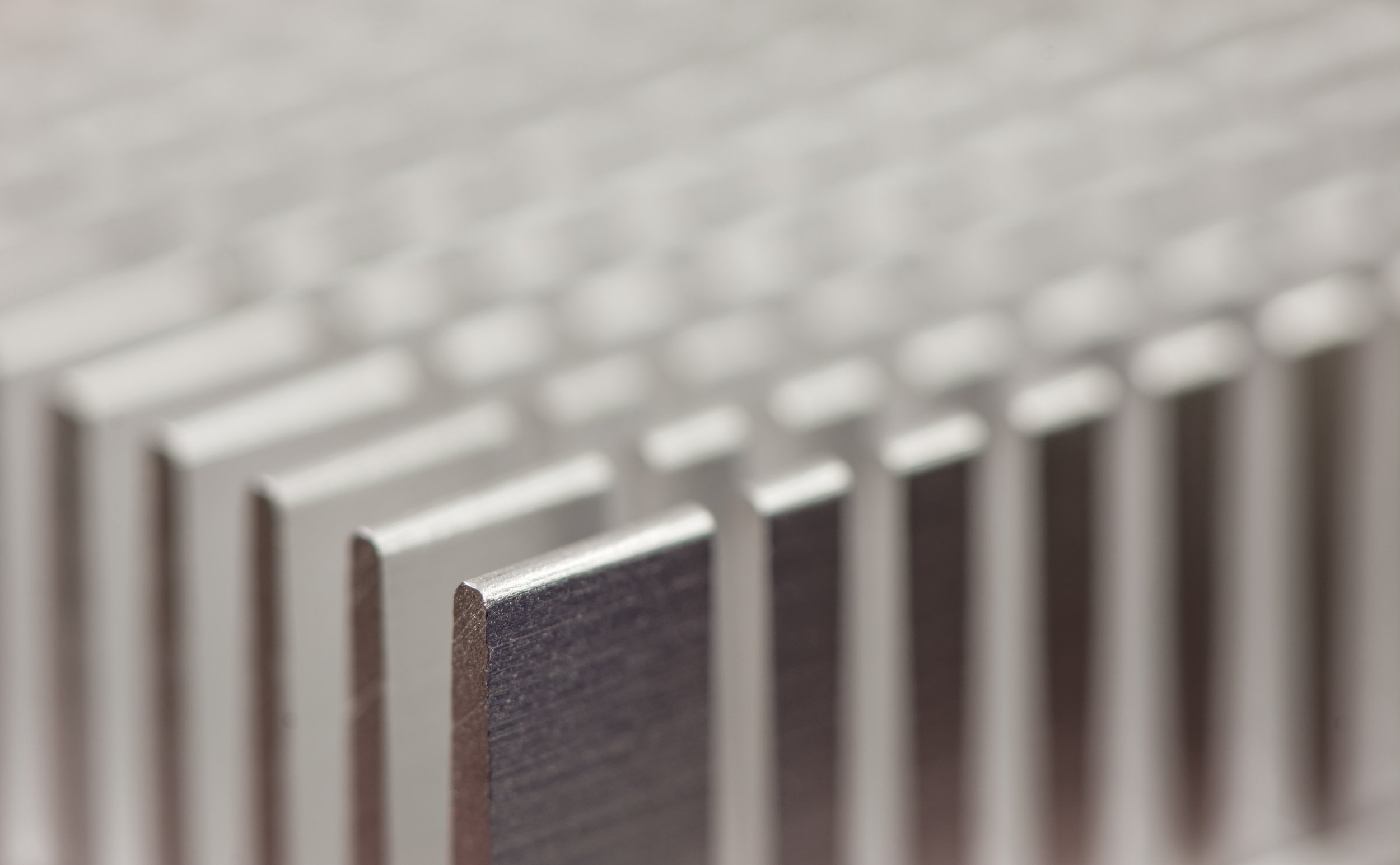
Aluminum is a lightweight metal with good corrosion resistance, making it useful for applications where reducing component weight is a priority. Its strength and fabrication suitability depend on the alloy and design.
Key characteristics
Lightweight, corrosion-resistant, and relatively easy to machine and form.
Main advantage
Helps reduce component weight.
Considerations
Strength and welding suitability vary by alloy.
Common applications: Lightweight frames, enclosures, and panels.
3. Galvanized Steel
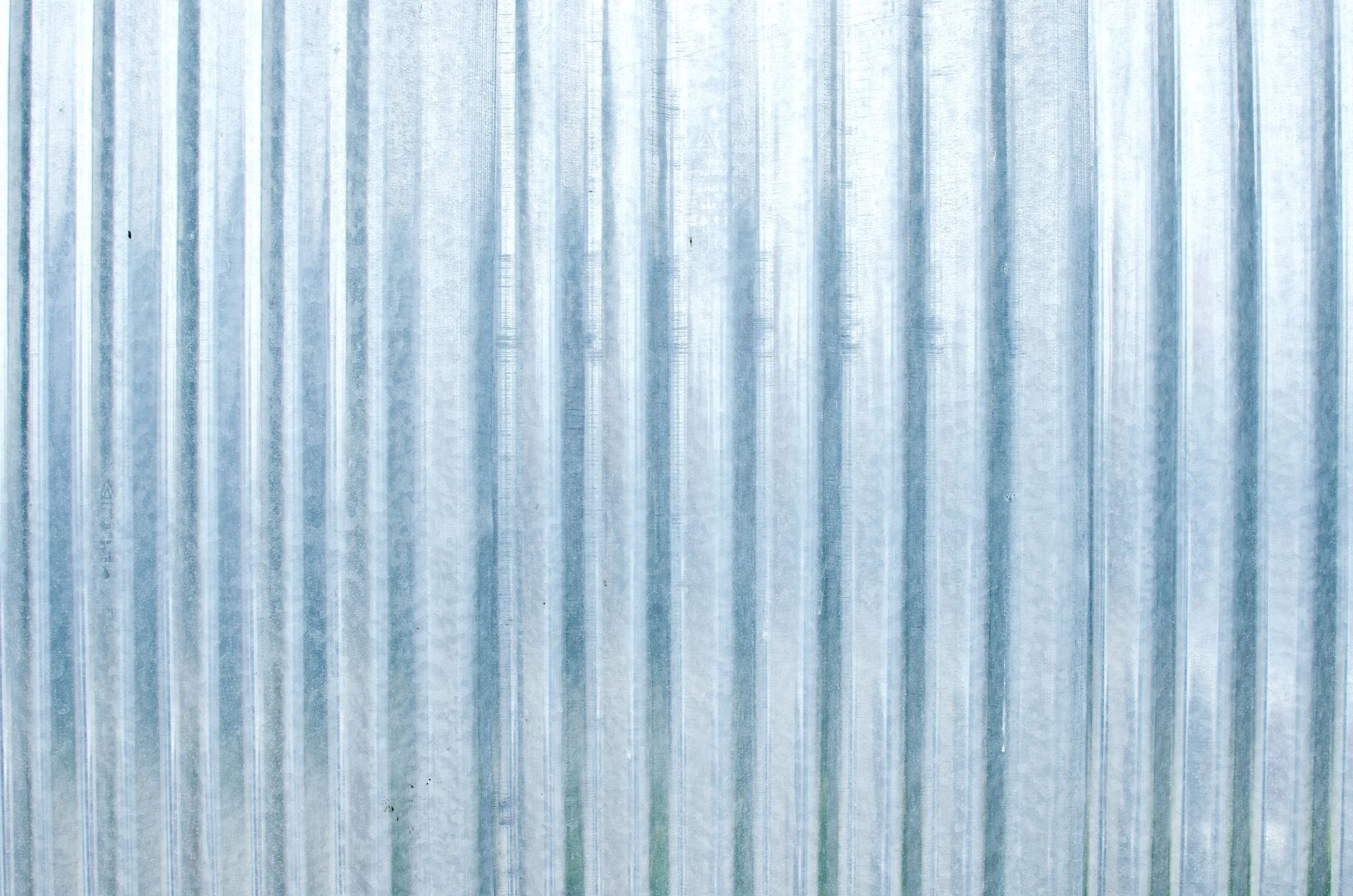
Galvanized steel is coated with zinc to help protect the underlying steel from corrosion. It can be suitable for certain indoor and outdoor applications, depending on exposure conditions and the coating's integrity.
Key characteristics
Steel with a protective zinc coating.
Considerations
Damaged coatings and areas affected by cutting or welding may require suitable protection.
Main advantage
Provides additional protection against corrosion.
Common applications: Brackets, supports, panels, and selected structural components.
4. Carbon Steel
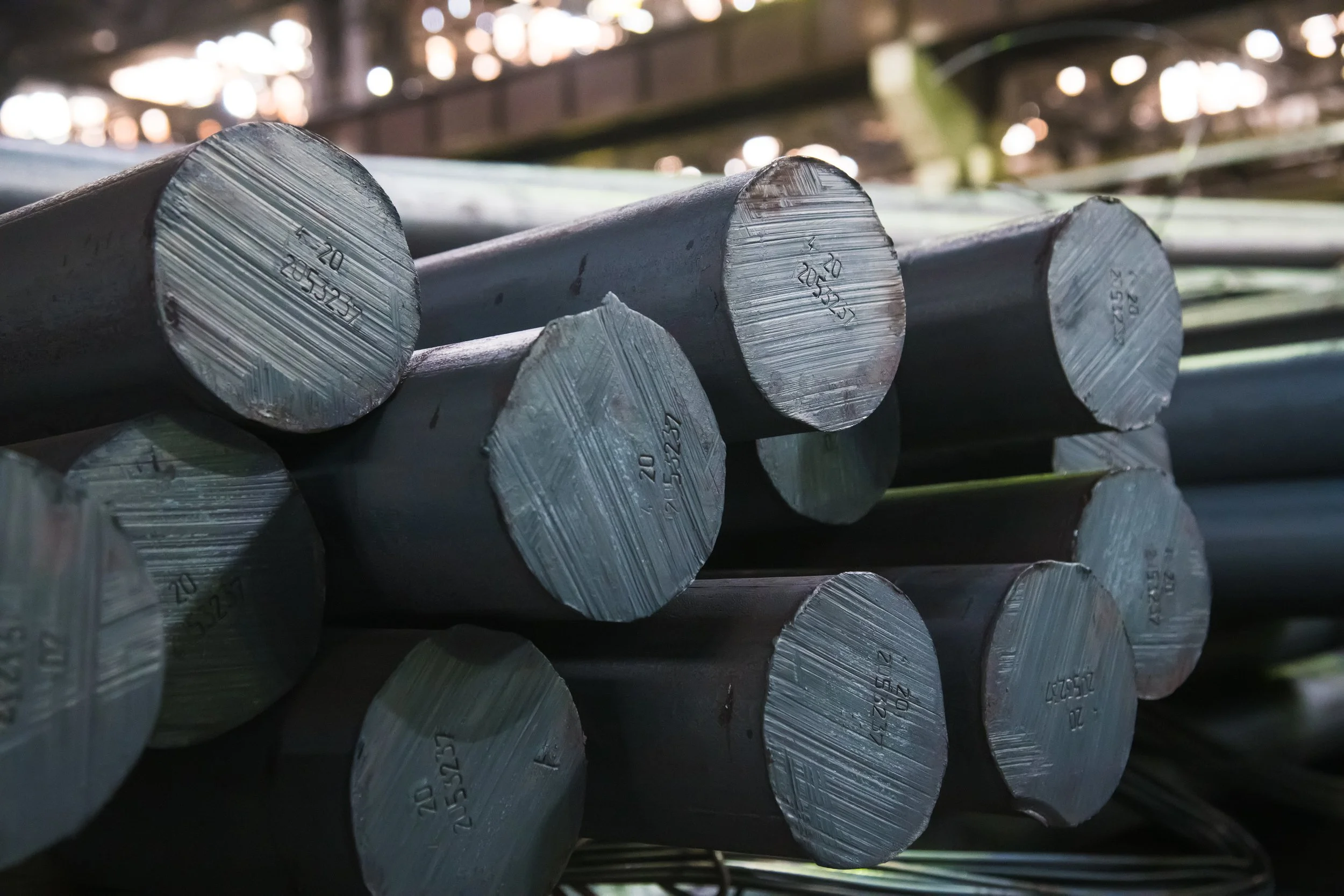
Carbon steel is widely used in fabrication because of its versatility, strength options, and suitability for cutting, forming, and welding. It is a practical choice for many industrial components but generally requires corrosion protection in exposed environments
Key characteristics
Versatile, available in different grades, and suitable for many fabrication processes.
Main advantage
Offers a range of strength options for structural and industrial applications.
Considerations
Usually requires suitable protection against corrosion.
Common applications: Structural frames, machine supports, brackets, and heavy-duty components.
5. Specialty Materials
Some projects have specific mechanical, thermal, or chemical requirements that call for materials beyond standard steel and aluminum options. The appropriate material depends on the component's intended function and operating conditions.
Key characteristics
Selected for specific technical or environmental requirements.
Considerations
Material selection may require detailed engineering assessment.
Main advantage
Can meet specialized performance needs.
Common applications: Specialized industrial equipment and precision components.
How to Choose the Right Material
Before selecting a metal, consider these four factors:
Application: What function will the component perform?
Operating environment: Will it be exposed to moisture, chemicals, heat, or frequent cleaning?
Fabrication requirements: Does the design require specialized welding, machining, forming, or finishing?
Budget: Consider material costs alongside fabrication, finishing, and maintenance requirements.
Consulting an experienced fabricator can help ensure the material meets your project's technical specifications.
Frequently Asked Questions
-
There is no single best option. The right material depends on the project's strength requirements, operating environment, design, and budget.
-
Not necessarily. Stainless steel offers greater corrosion resistance in many environments, while carbon steel can be suitable for applications requiring specific strength characteristics and appropriate corrosion protection.
-
Prepare your technical drawings, dimensions, material specifications, quantities, finishing requirements, and target timeline to help the fabricator assess the project.
Key Takeaway
Choosing the right metal means balancing performance, durability, fabrication requirements, and cost. Understanding each material's properties helps you make informed decisions and select a solution suited to your project's needs.
Find the Right Fabrication Solution with Fabtech Steel
Fabtech Steel works with sheet metal, stainless steel, aluminum, galvanized steel, and specialty materials for custom fabrication projects, from light-duty to heavy-duty applications. Its capabilities include customized finishing and assembly for products such as food and beverage processing equipment, sanitary conveyors, material-handling equipment, and fuel-testing components.
Planning a fabrication project? Contact Fabtech Steel to discuss your material requirements and project specifications.
